Blade Blitz @ Hella Studios
A solo-built local multiplayer sword-fighting game, from design system to shipped Unity implementation.
Designed and built Blade Blitz end to end. Visual identity, UI, characters, implementation, and live playtest iteration over two years.
Challenge
I wanted to make my first solo-developed game. The inspiration was Nidhogg — a tight 1v1 sword-fighting game I kept seeing in arcade cabinets at bars and venues around Seattle. It's a great game, but I always wished there was a bigger party version of it. That gap became the brief: take the core tension of Nidhogg and redesign it for a larger group.
Combat
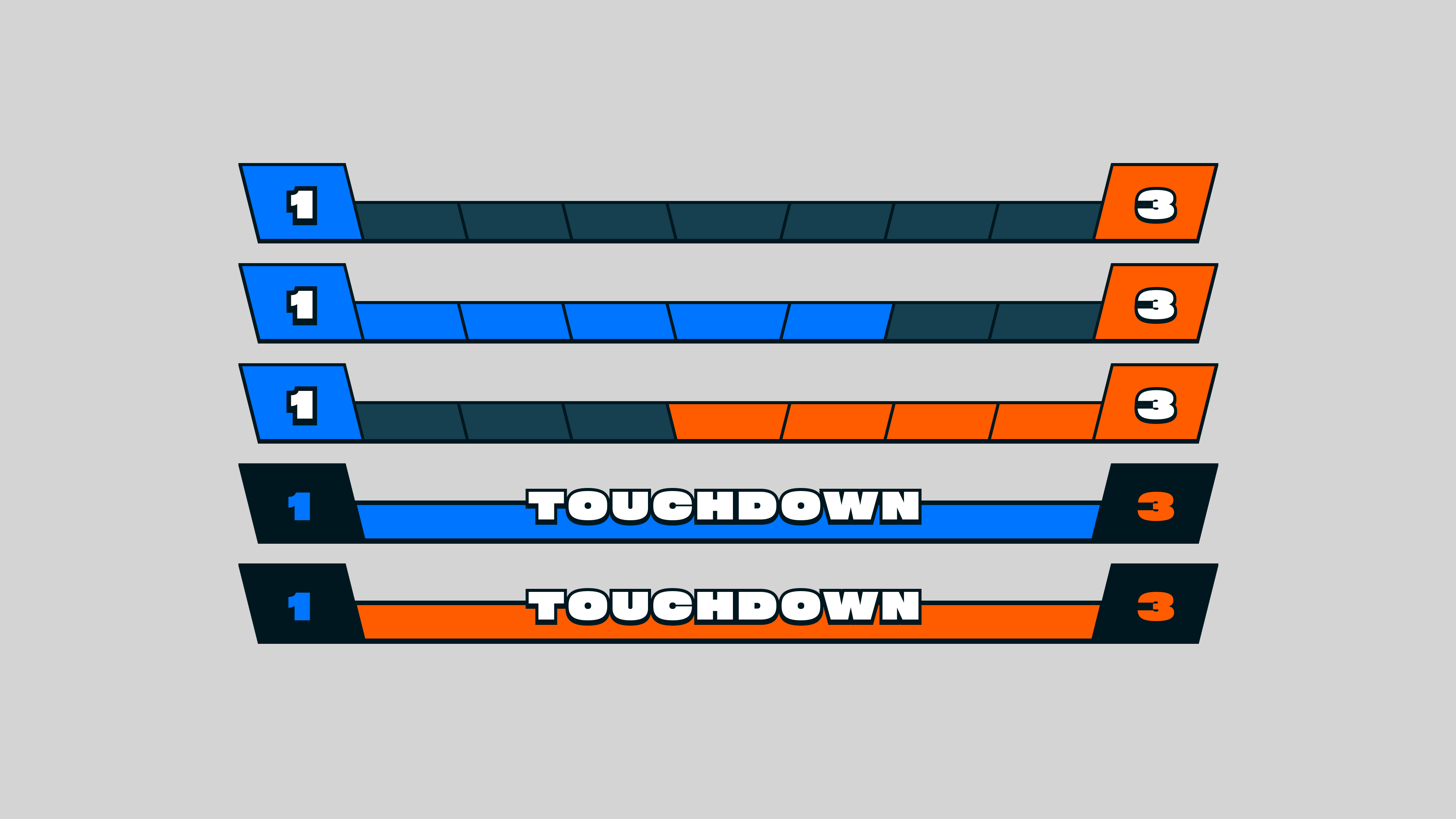
The combat system is a three-way rock-paper-scissors: hold beats swing, dash beats hold, swing beats dash. Defeating the opposing team shifts possession and pushes your team toward your scoring end, like football. Levels are designed with more obstacles near either end of the arena, naturally pushing teams back toward center and keeping the match contested.
Power-ups
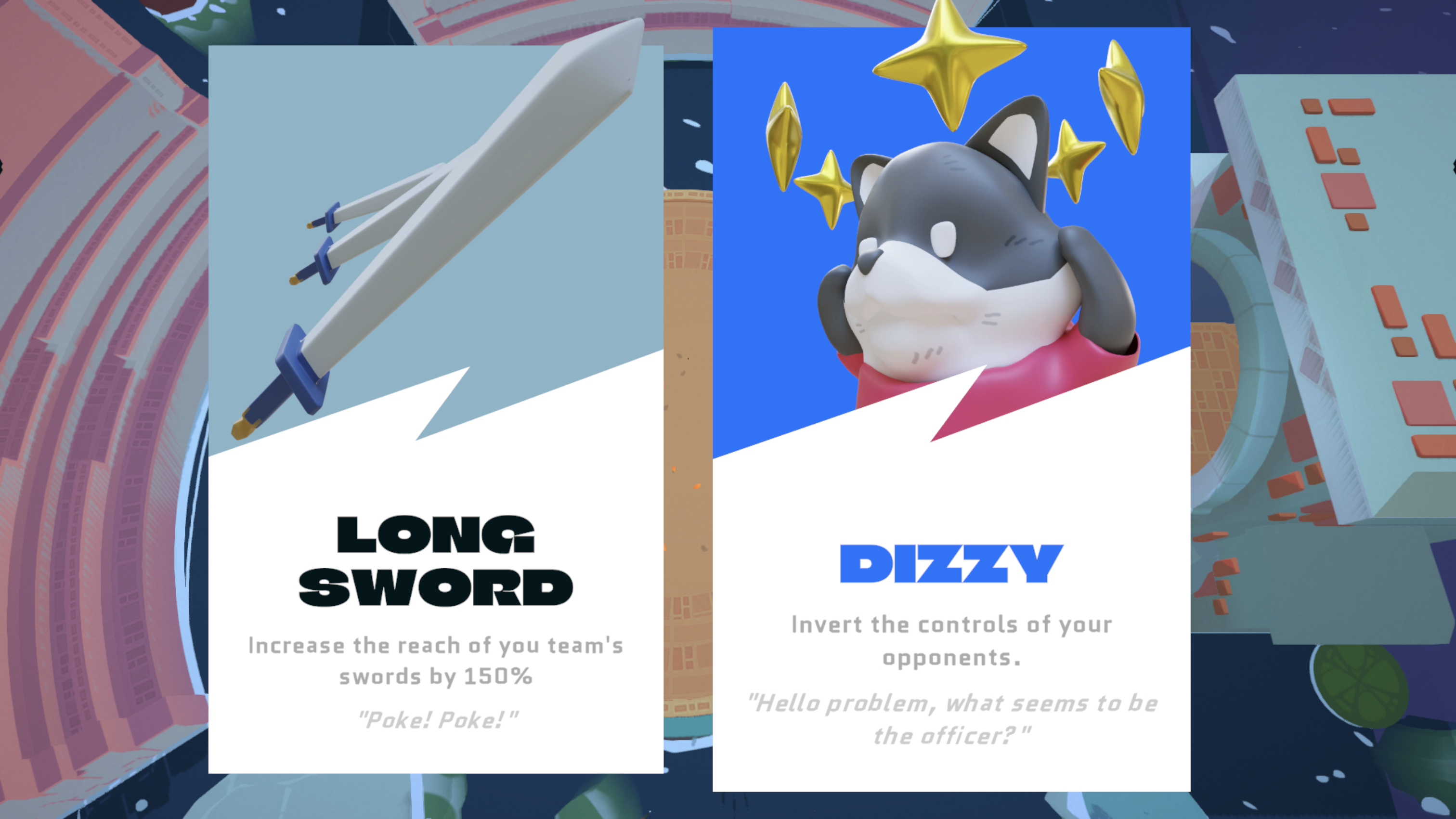
Teams scored upon choose from two random power-ups.
Readability
Two decisions shaped how readable the game felt under pressure.
Visual System
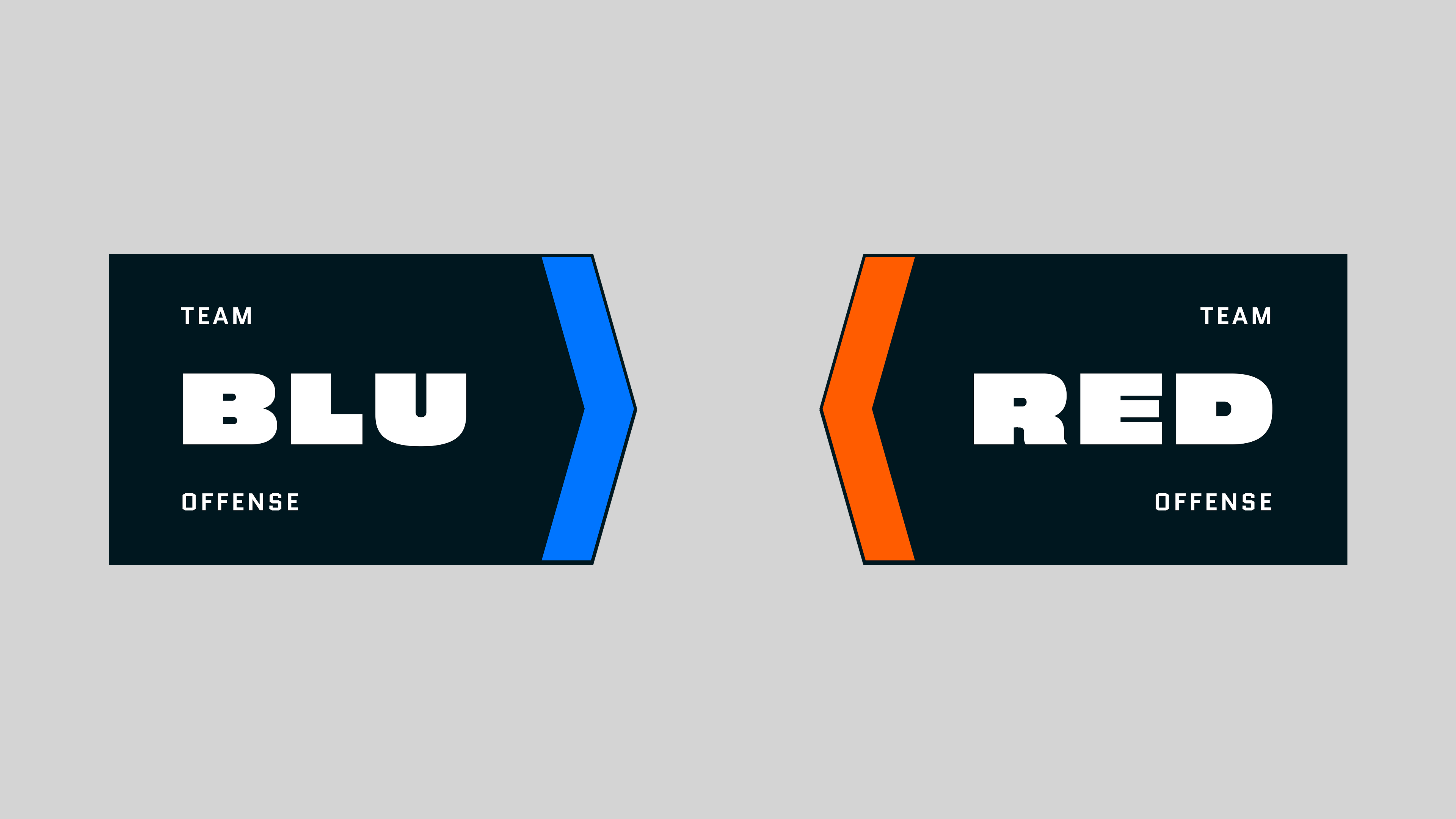
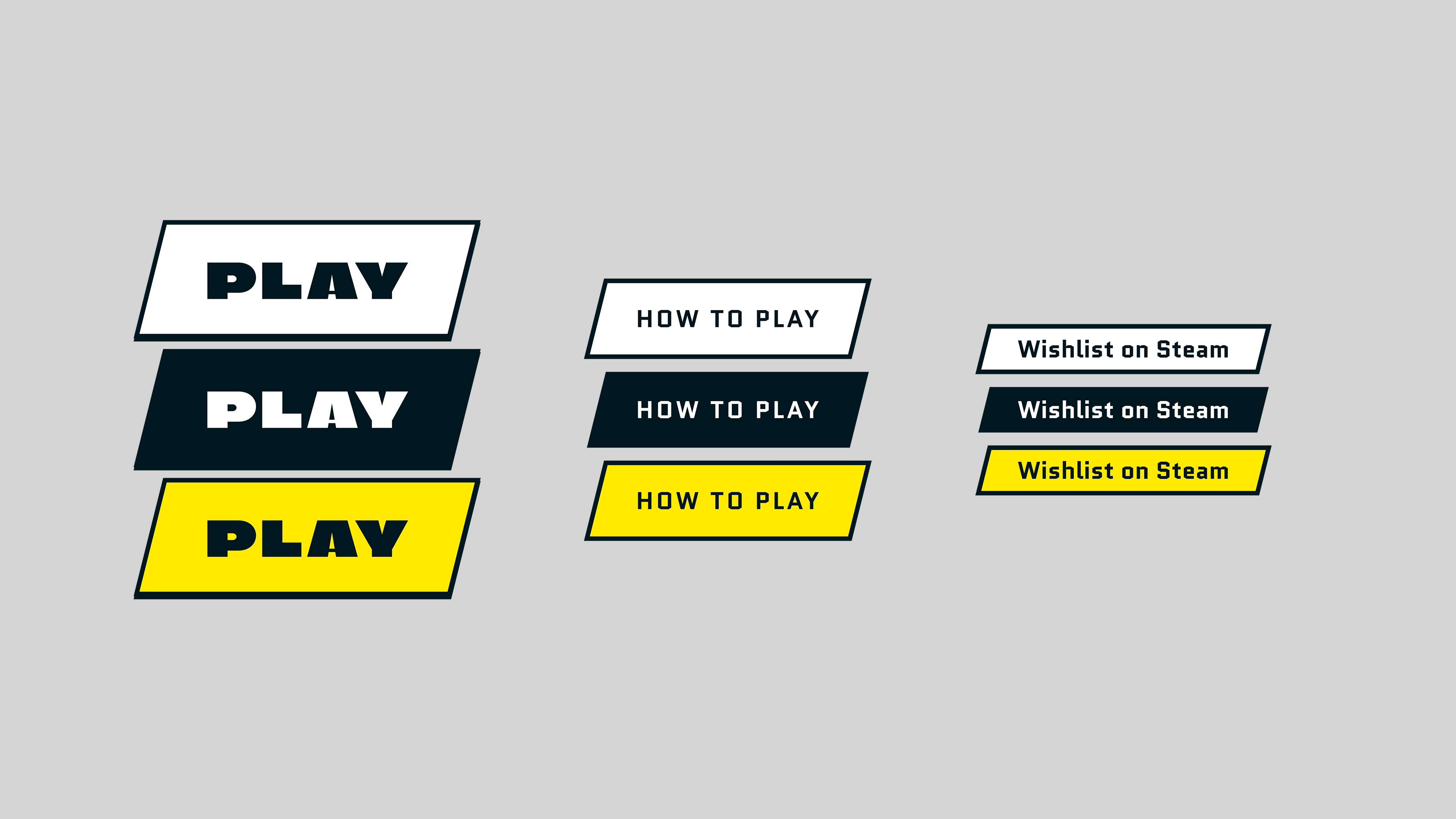
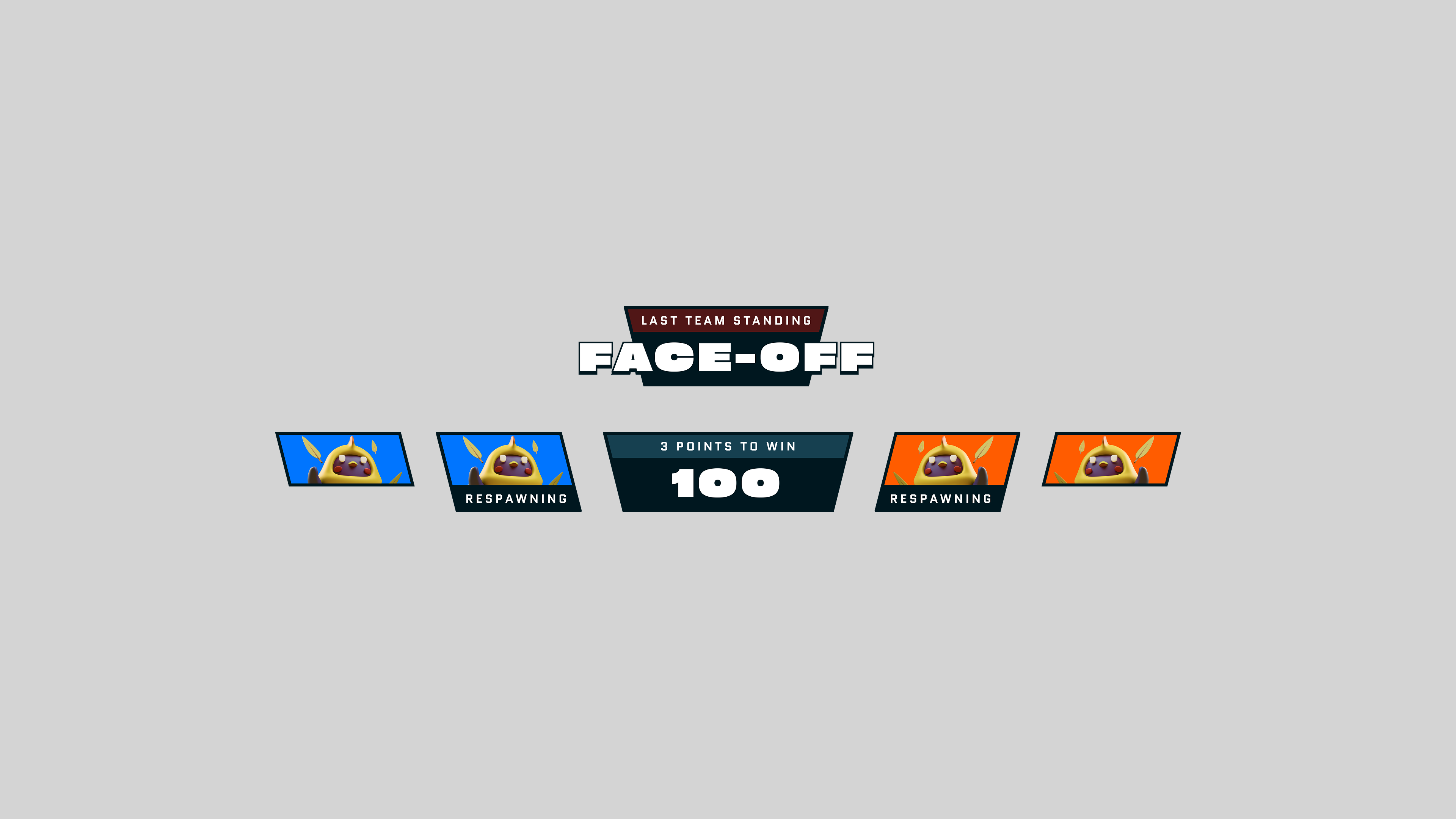
The visual system balances spectator clarity, character readability, and a reusable UI library.
Interface Design
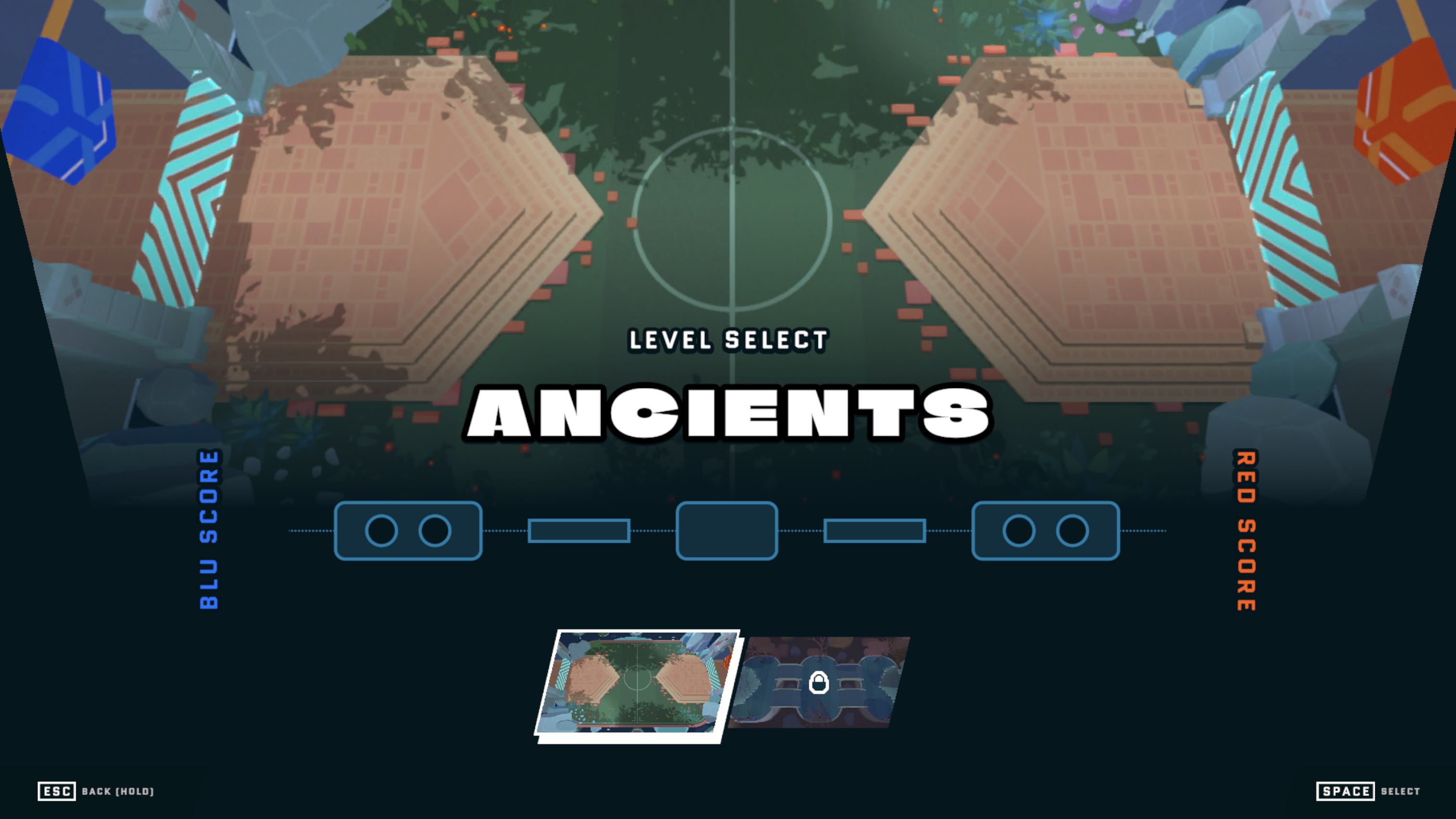
I applied the same component rules across menus, character select, HUD, and feedback states.
Playtesting & Showcase
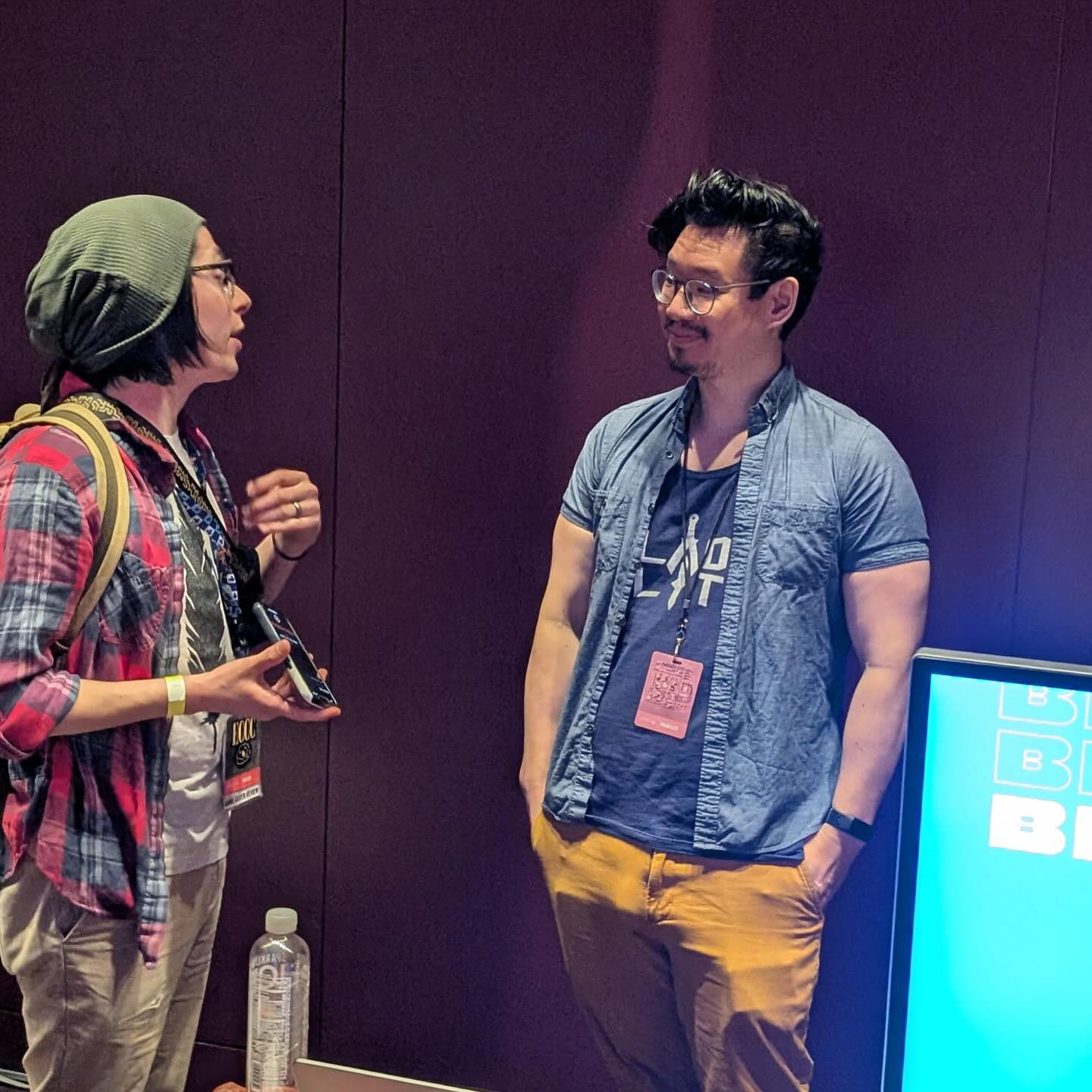
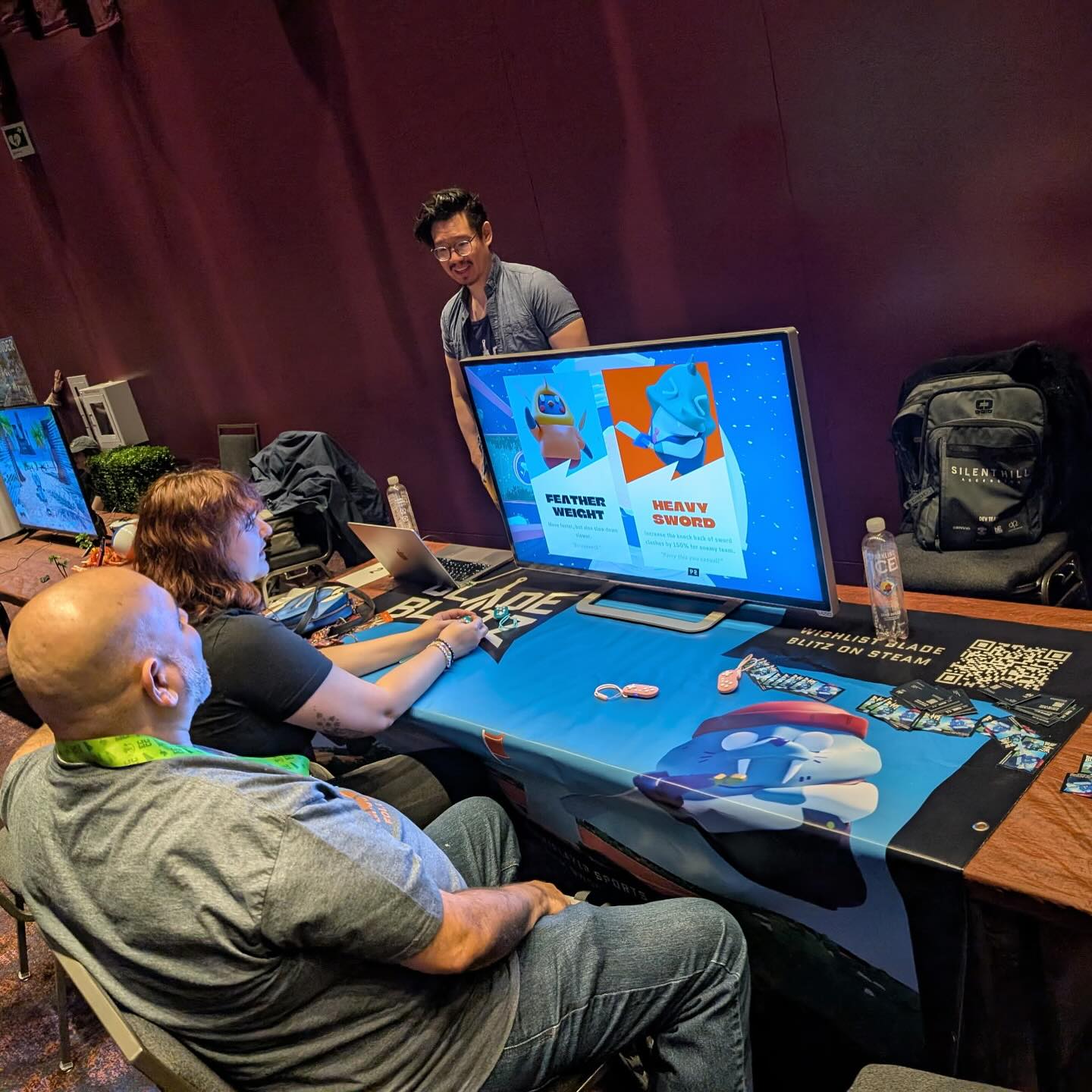
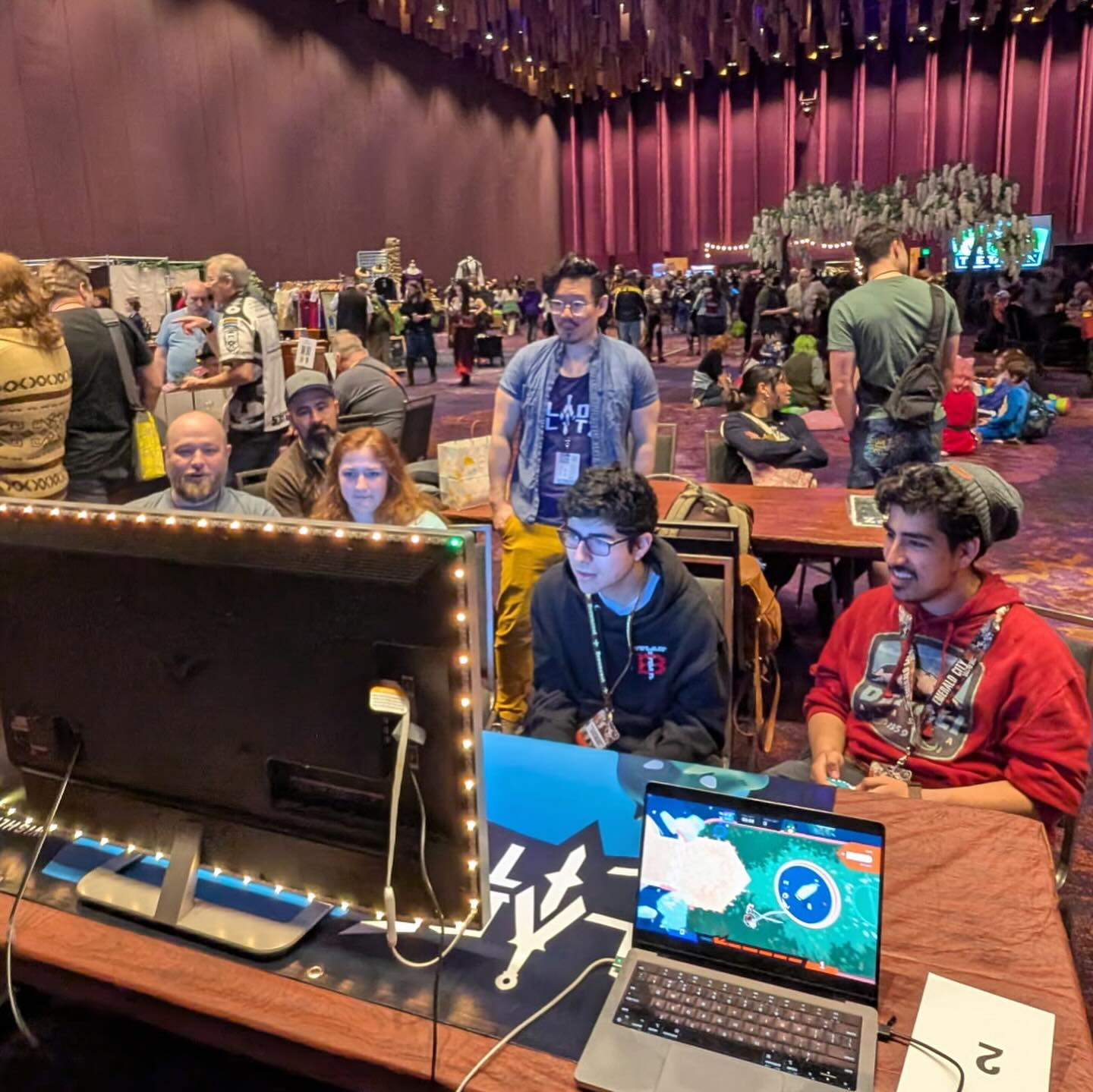
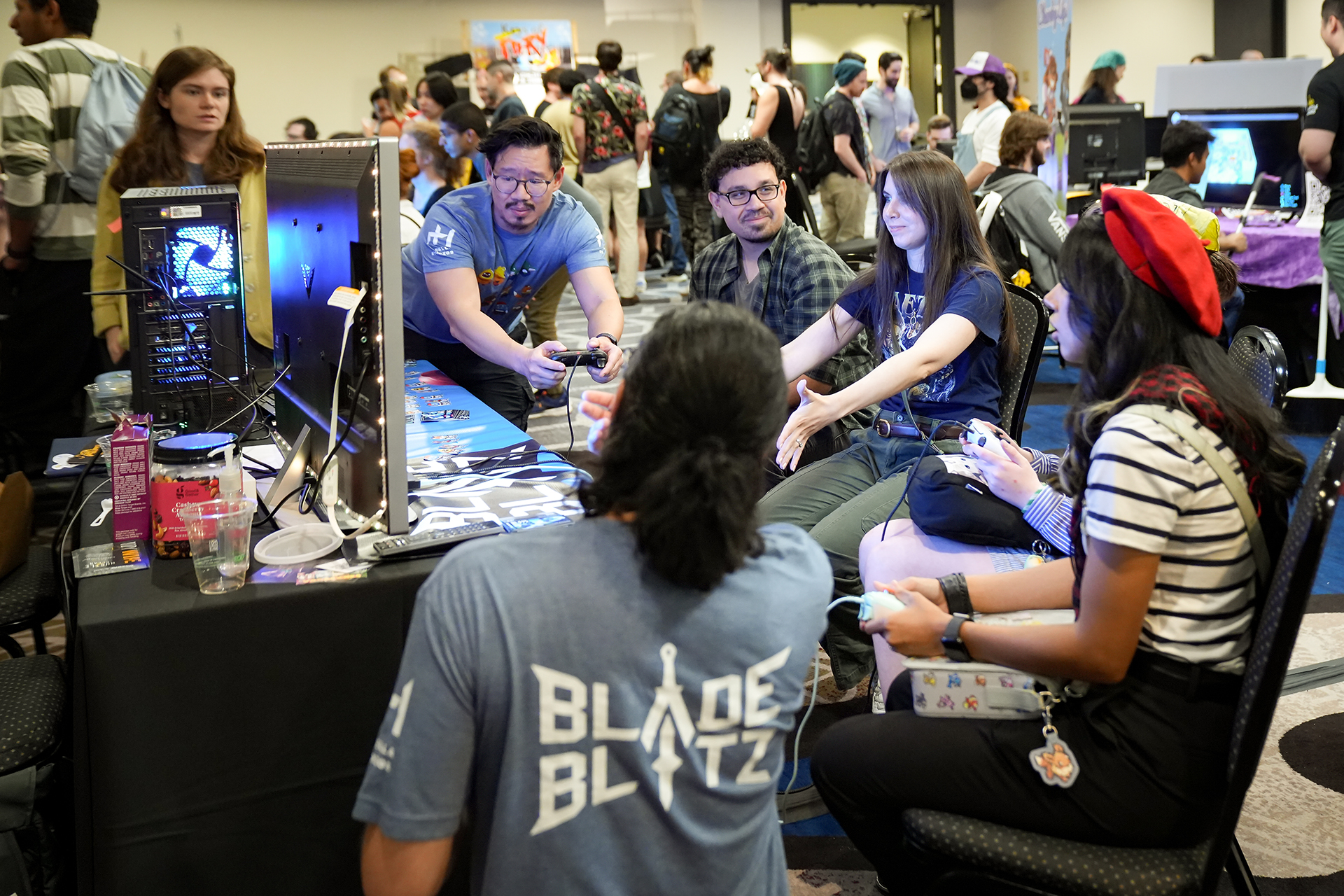
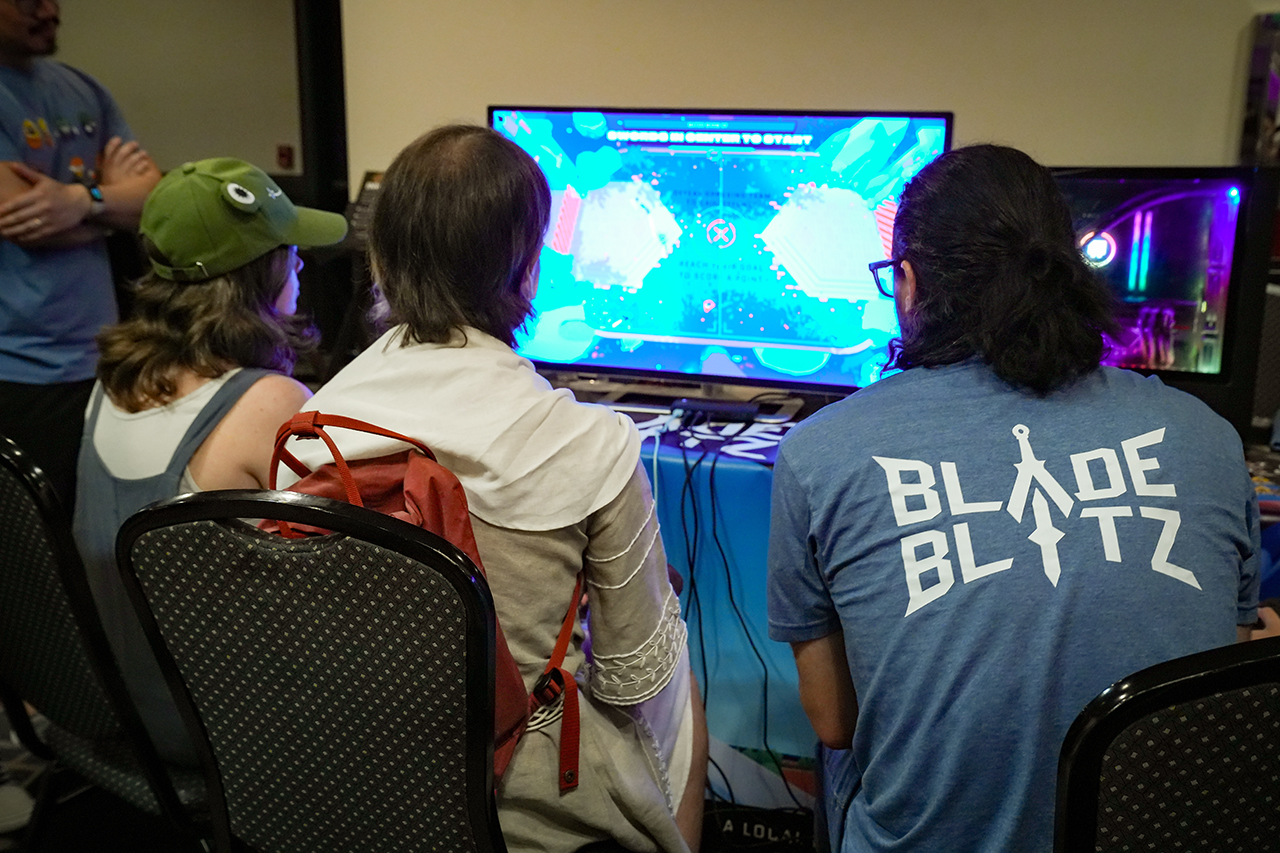
Presenting and tabling at ECCC and SIX gave me the chance to observe players in person, talk with them directly, and gather the kind of qualitative feedback internal playtests rarely surface.
Outcome
Blade Blitz launched on Steam on March 11, 2026 after two years of public iteration and event testing.
Reflection
The project clarified three product lessons I would carry into the next game.